Professional Hardscape and Landscape Construction with Lasting Quality
Complete Landscape Maintenance Services for a Lush, Healthy Outdoor Space
Comprehensive landscape maintenance services play an essential role in maintaining vibrant outdoor spaces. These offerings integrate significant elements such as soil health, irrigation, and pest control. By focusing on these factors, landscapes can prosper throughout the seasons. However, understanding the specific techniques and seasonal preparations needed is vital for achieving lasting results. Exploring these components further reveals the strategies that can turn any garden into a thriving and inviting haven.
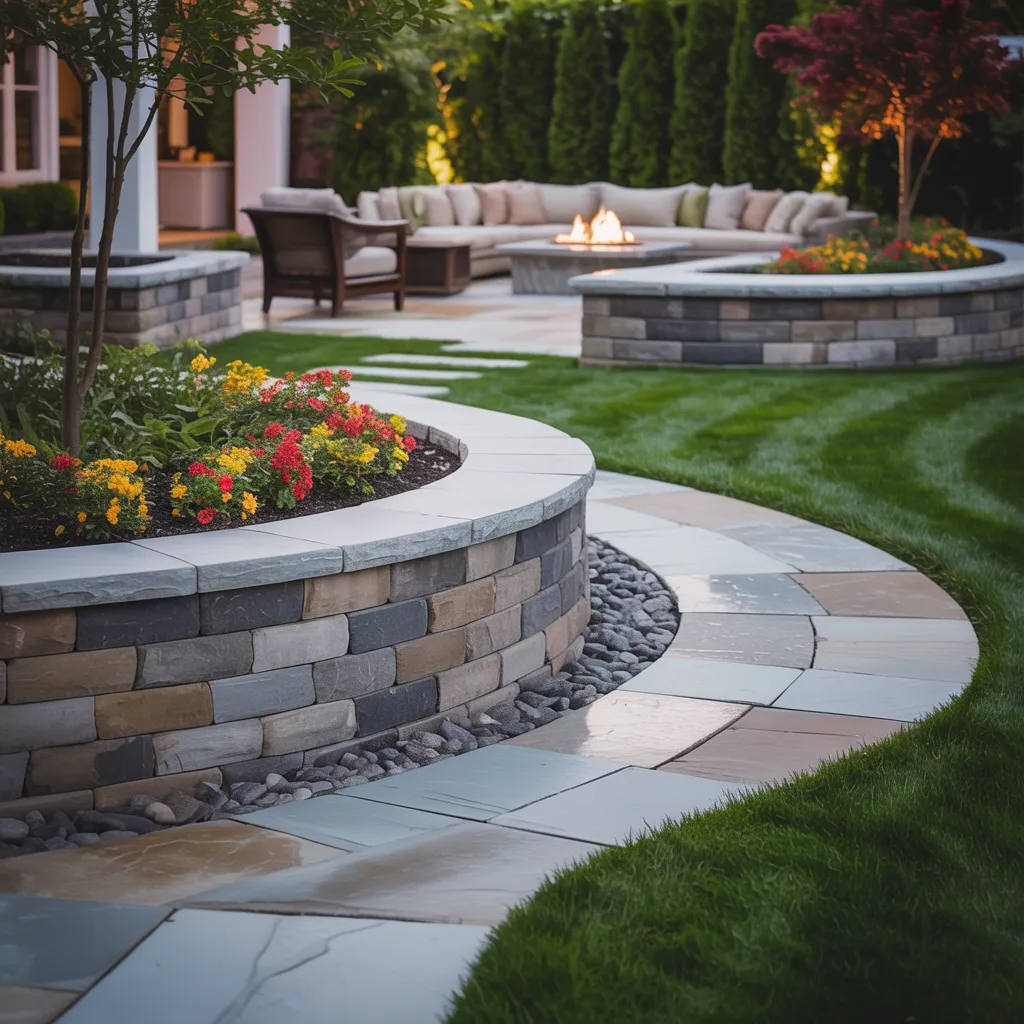
The Significance of Soil Health in Landscape Maintenance
Soil health serves as the groundwork for successful landscape care, impacting plant growth and ecosystem stability. Healthy soil is abundant in organic matter, nutrients, and beneficial microorganisms, ensuring that plants receive the critical elements required for ideal development. This nutrient-abundant environment fosters sturdy root systems, increases water retention, and supports biodiversity, forming a prosperous ecosystem.
Regular soil copyrightination is important for recognizing nutritional shortfalls and imbalances. This information allows landscaping maintenance specialists to execute personalized treatments, such as compost or plant nutrients, to improve earth health. Additionally, approaches like mulching and cover cropping can prevent soil degradation and strengthen soil structure.
Furthermore, keeping soil pH within an suitable range is essential for nutrient access. By prioritizing soil health, landscape maintenance services can develop resilient, sustainable outdoor spaces that not only nurture lush plant life but also contribute to the overall ecological balance of the environment.
How to Water Your Outdoor Space Effectively?
Effective garden watering is vital for supporting healthy plant vigor and conserving water conservation. To achieve ideal results, gardeners should review several practices. Drip watering systems deliver water directly to the root structures, minimizing evaporation and overflow. This method is particularly advantageous for vegetable gardens and flower beds.
Sprinkler systems, whether fixed or oscillating, offer broad coverage and are suited for larger areas. Timers can streamline watering schedules, maintaining consistent moisture without overwatering. Additionally, mulching around plants helps retaining soil moisture, minimizing the frequency of watering.
Tracking soil moisture is imperative; gardeners can use moisture meters to determine when watering is necessary. Early morning is the finest time to apply water, as it allows plants to absorb water before the intensity of the day. By executing these approaches, gardeners can maintain a verdant, healthy garden while using water resources economically.
Pest Control Approaches for Effective Landscape Maintenance
Implementing strong pest control techniques is essential for upkeeping a healthy landscape. Effective pest management begins with consistent monitoring to detect potential infestations early. Landscape professionals often use integrated pest management (IPM) techniques, which merge biological, cultural, additional article and mechanical methods to limit chemical use. This approach promotes the use of beneficial insects, such as ladybugs and lacewings, which organically control pest populations.
Furthermore, appropriate plant choice and positioning can enhance resistance to insects. Native plants, for instance, are often more resilient and attract helpful organisms. Regular maintenance practices, such as pruning and removing debris, also help reduce pest habitats. When needed, focused pest control treatments can be utilized, concentrating on the specific pest and reducing impact on unintended organisms. By employing these approaches, landscape maintenance services can create a flourishing exterior environment, guaranteeing plants remain healthy and vibrant while successfully controlling insect numbers.
Tips for Preparing Your Outdoor Area Throughout Each Season?
Designing a garden area for each period requires careful thought and strategic planning. In spring, it is crucial to evaluate plant health and begin pruning, mulching, and fertilizing to encourage growth. Seasonal flowers can be added for color and visual interest.
When summer approaches, regular irrigation and insect management prove paramount. Grass care, such as mowing and aeration, delivers a lush appearance.
During autumn, your attention turns to clearing leaves and preparing for hibernation. Separating perennials and planting bulbs for spring blossoms are effective strategies during this period.
Winter preparation centers on shielding tender plants from frost and snow. Mulch application helps protect roots, while cutting back specific varieties can reduce injury from ice.
Elevate Your Curb Appeal With Professional Support
Enhancing a outdoor space can greatly enhance curb appeal, and enlisting expert assistance can make all the difference. Professionals possess the knowledge to recognize particular requirements and unique characteristics of a property. They can create tailored designs that not only enhance visual appeal but also ensure ecological balance.
Skilled landscape professionals use high-quality materials and advanced techniques, resulting in a polished look that DIY approaches often fail to achieve. They are skilled in selecting the right plants, installing effective irrigation systems, and building hardscapes that blend with the overall design.
Moreover, continuous maintenance services provided by professionals keep landscapes healthy throughout the seasons. This consistent care avoids overgrowth and ensures that every element is kept in prime condition. Ultimately, investing in professional landscaping services not only boosts curb appeal but also increases property value, making it a wise choice for homeowners wanting to upgrade their outdoor spaces.

Regularly Inquired Questions
How Regularly Should I Maintain My Lawn for Maximum Health?
For optimal lawn health, it is typically suggested to mow weekly during the active growth period. Adjust frequency based on growth rate, weather conditions, and grass type to maintain a lush, thriving lawn.
Which Flora Perform Optimally for Inviting Pollinators?
Butterflies and bees show interest in native wildflowers like coneflowers, milkweed, and black-eyed Susans. Additionally, herbs such as lavender and mint can increase pollinator participation, developing a vibrant, beneficial ecosystem in gardens.
How Can I Improve My Lawn's Water Drainage?
To improve lawn drainage, one can aerate the soil, add organic matter, set up water management solutions, and guarantee proper grading. Consistent upkeep and observation will additionally improve water flow, promoting a healthier lawn environment.
What Are the Signals of Earth Compaction?
Indicators of earth densification are slow water drainage, water pooling, limited plant development, visible cracks in the ground layer, and challenge with pushing a garden fork or shovel. Quality soil should disintegrate without effort and allow for root penetration.
How Can I Find the Perfect Mulch for My Garden?
Picking the suitable ground covering entails taking into account plant types, climate, and aesthetic preferences. Organic mulches boost soil health, while inorganic options provide durability. Evaluating these factors guarantees ideal benefits for garden growth and maintenance.